
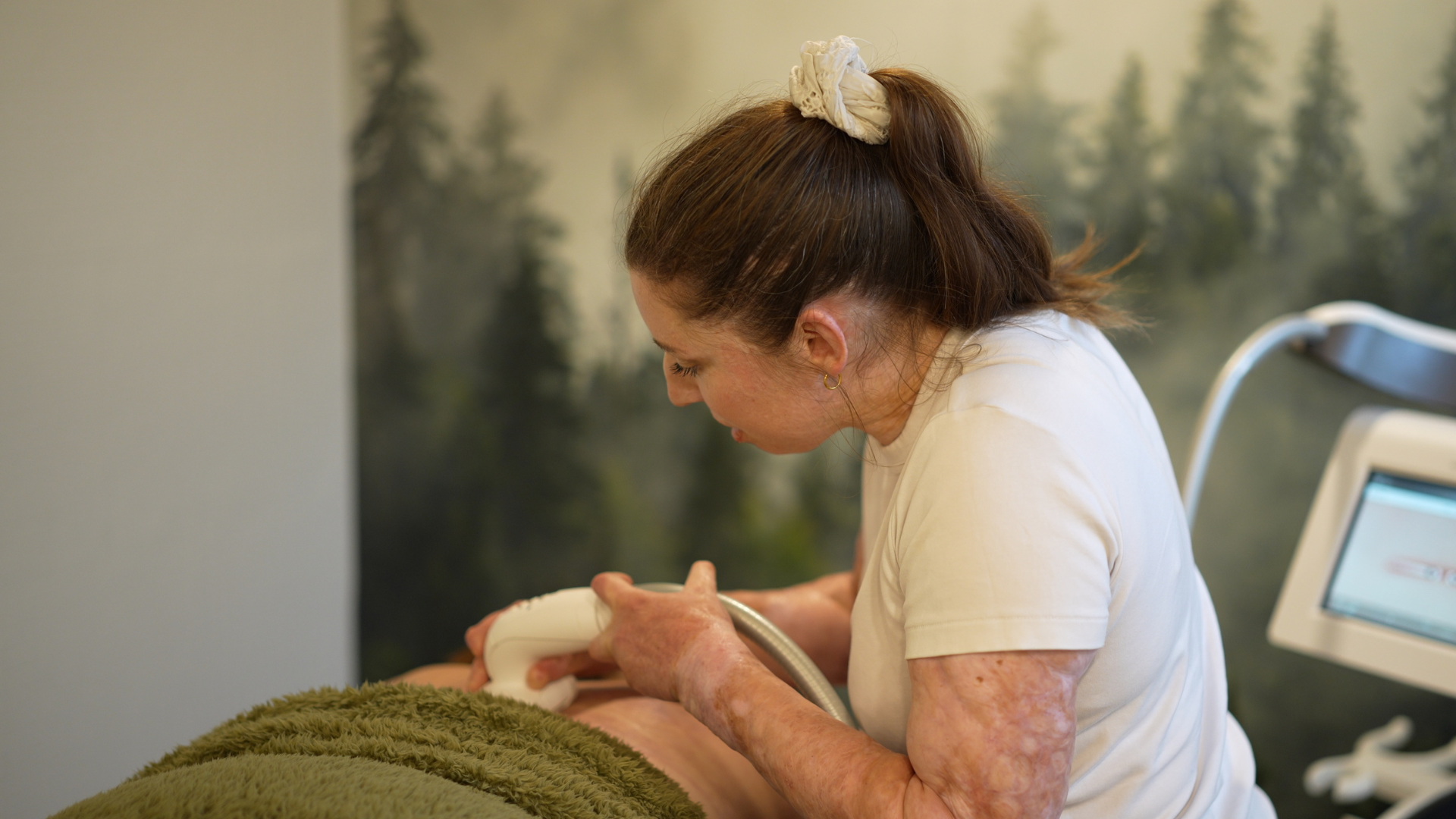
Rehabilitation Programme
The Katie Piper Foundation provides a comprehensive rehabilitation programme for survivors of life changing burns and scarring. Led by our clinically experienced team of physiotherapists, occupational therapists and psychosocial therapists we deliver a bespoke programme tailored to a survivor’s individual goals, addressing their physical, psychological and emotional needs.
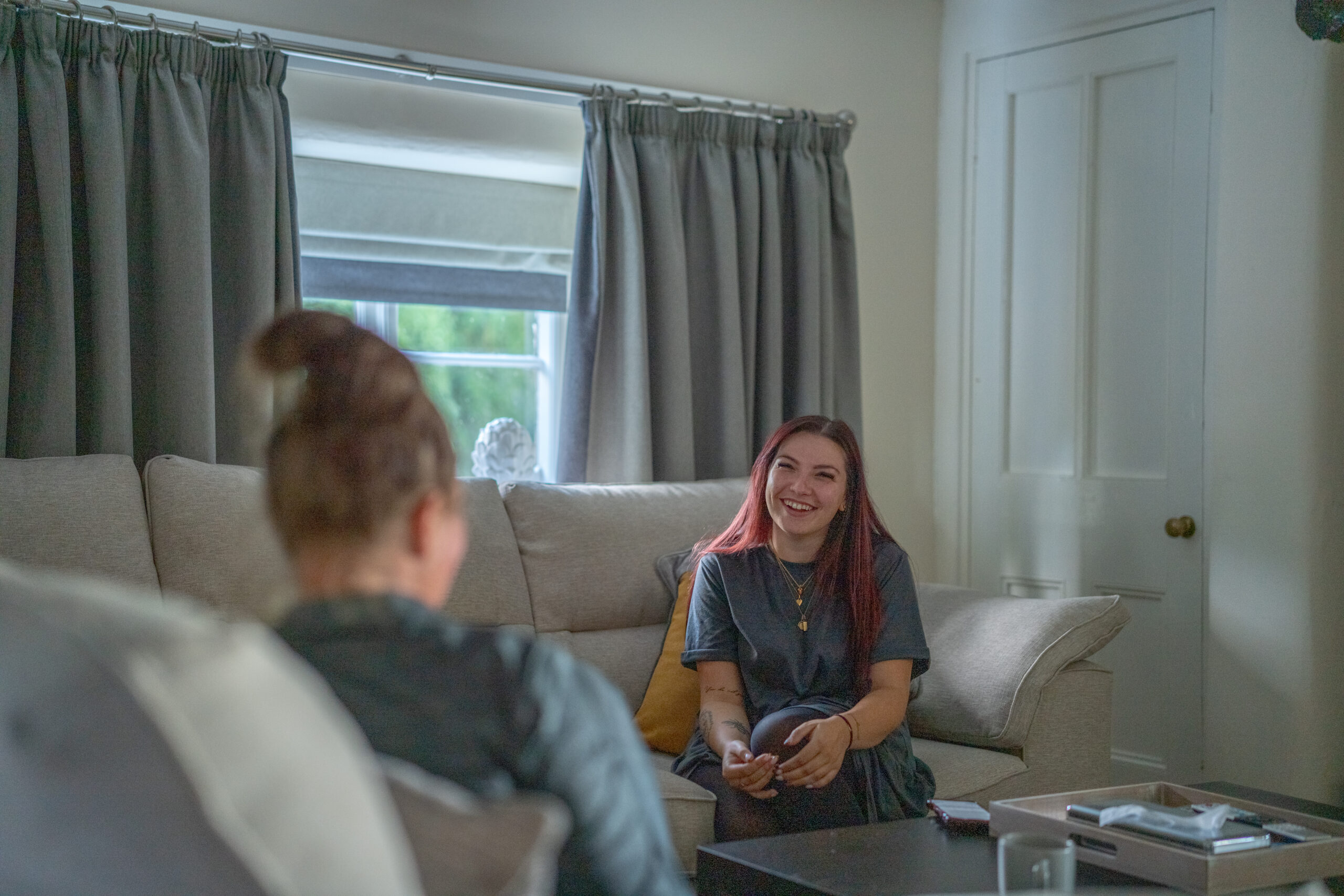
Bespoke Rehabilitation for Survivors
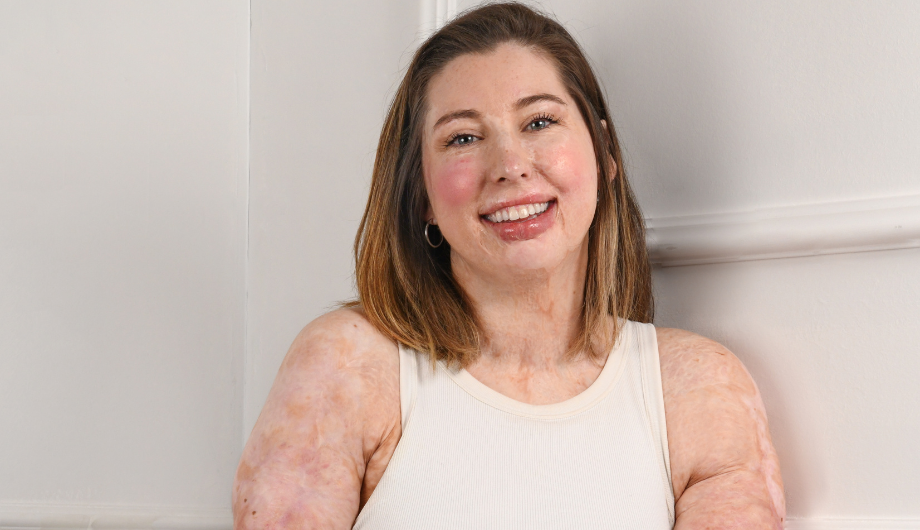
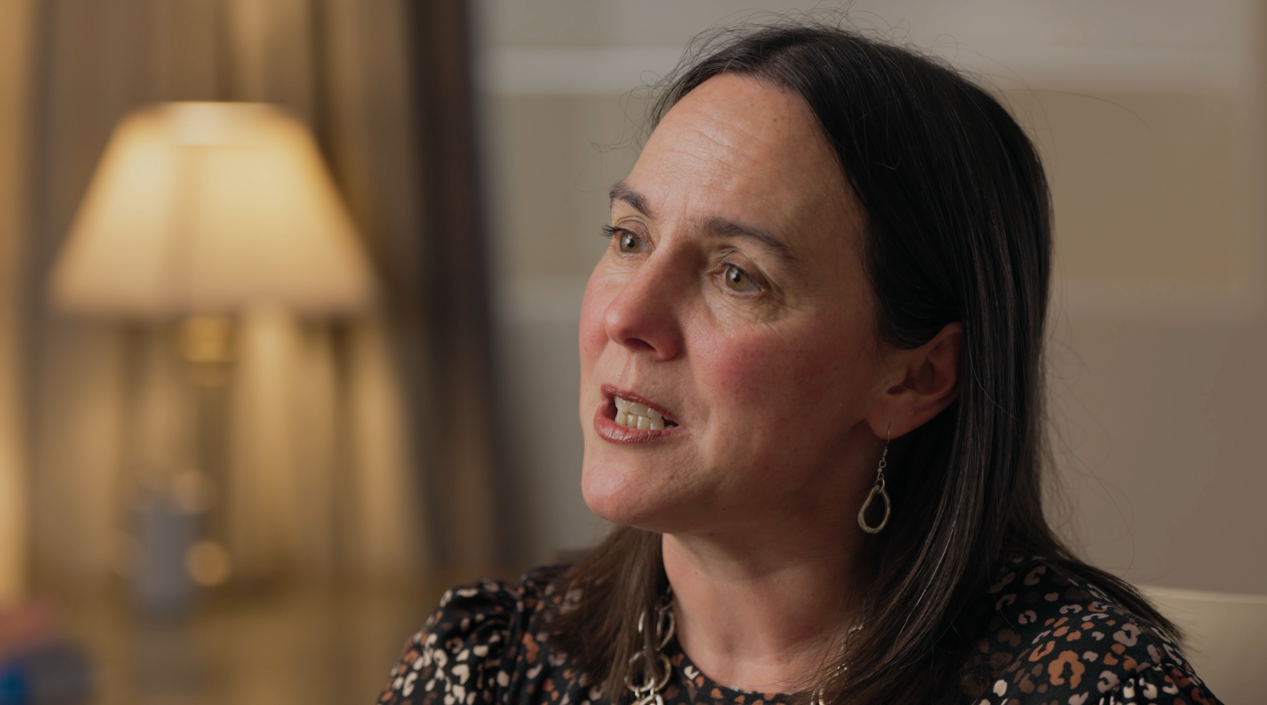
Catrin: Survivor and Clinician
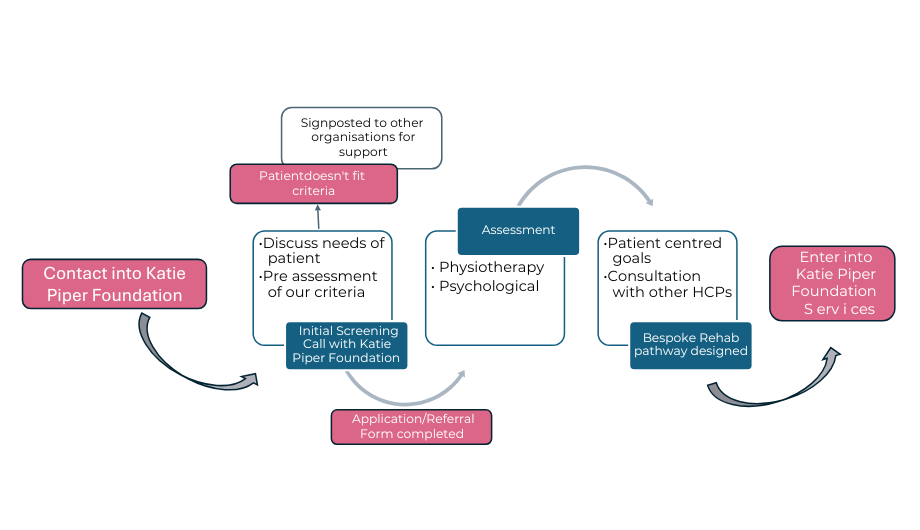
Referrals
Learn more about the Katie Piper Foundation
Rehabilitation Pathway
Upon completion of the assessment a survivor will be assigned a rehabilitation pathway, overseen by the lead therapists with their individual goals set with them. This will contain a tailored range of therapies to address their needs and will initially be delivered remotely, with a longer-term aim of face to face treatment in our scar clinic and/ or rehabilitation centre or via home visits.
We will always work in collaboration with our NHS colleagues, and as part of the assessment process we will reach out to the lead clinician in the home team (or GP if discharged form hospital services). We will remain in contact throughout the programme and involve the team in MDT meetings before and after a residential stay
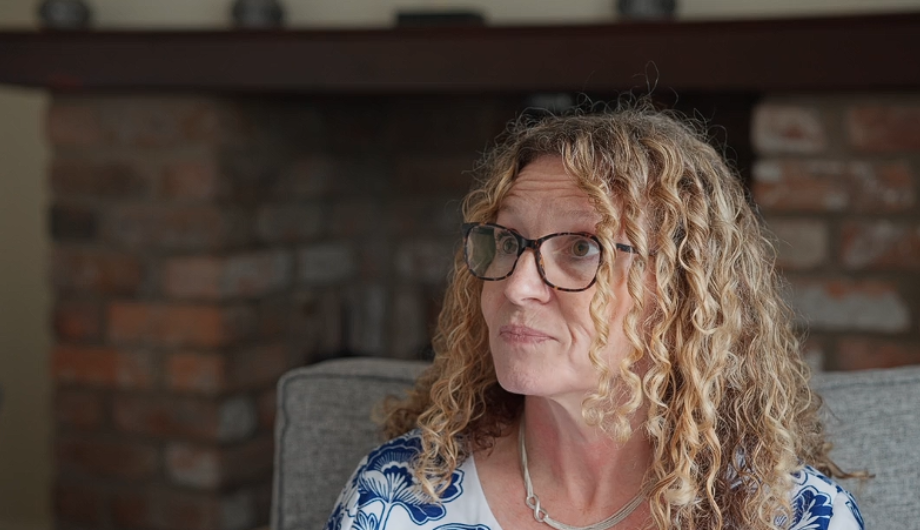
Rehabilitation Pathway
Johanne, our Head of Patient Services & Lead Psychotherapist explains the process after survivors contact the Katie Piper Foundation.
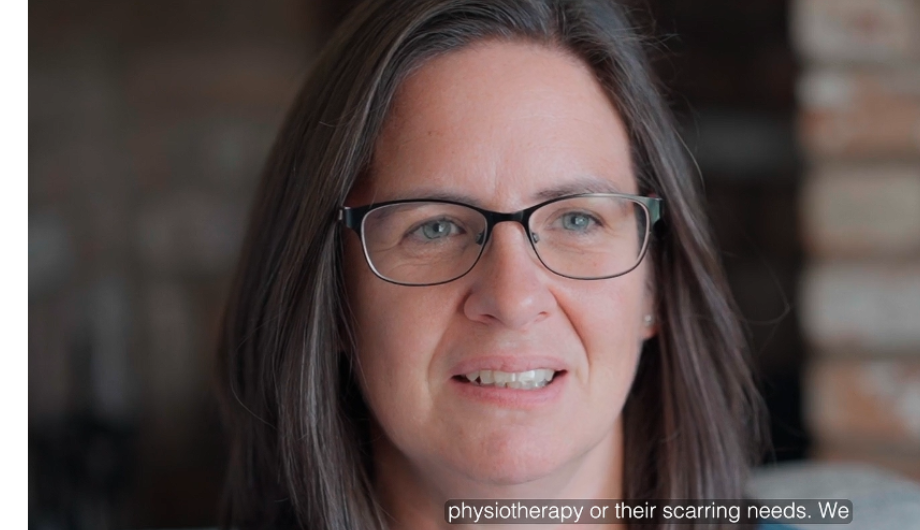
Assessment Process
We then put together a personalised pathway based on the survivors needs and goals, bringing together the therapies and clinical team members to help them achieve this.
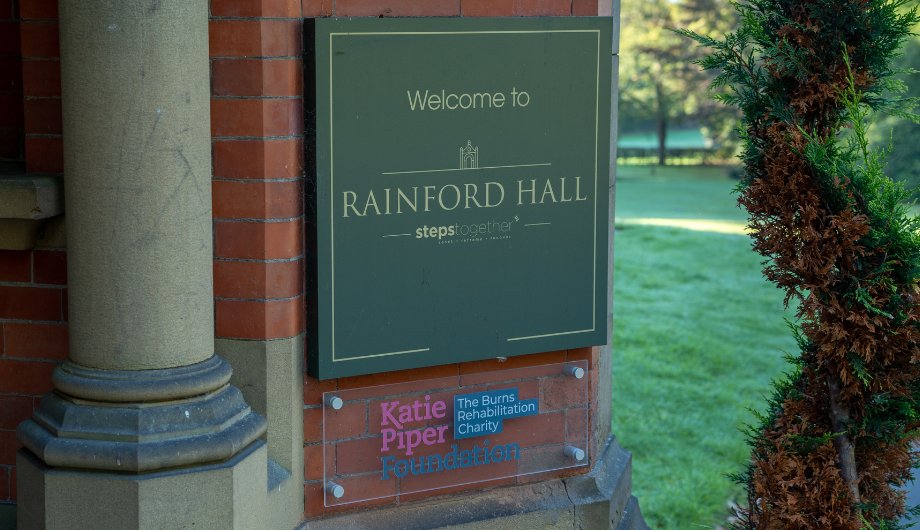
Residential rehabilitation
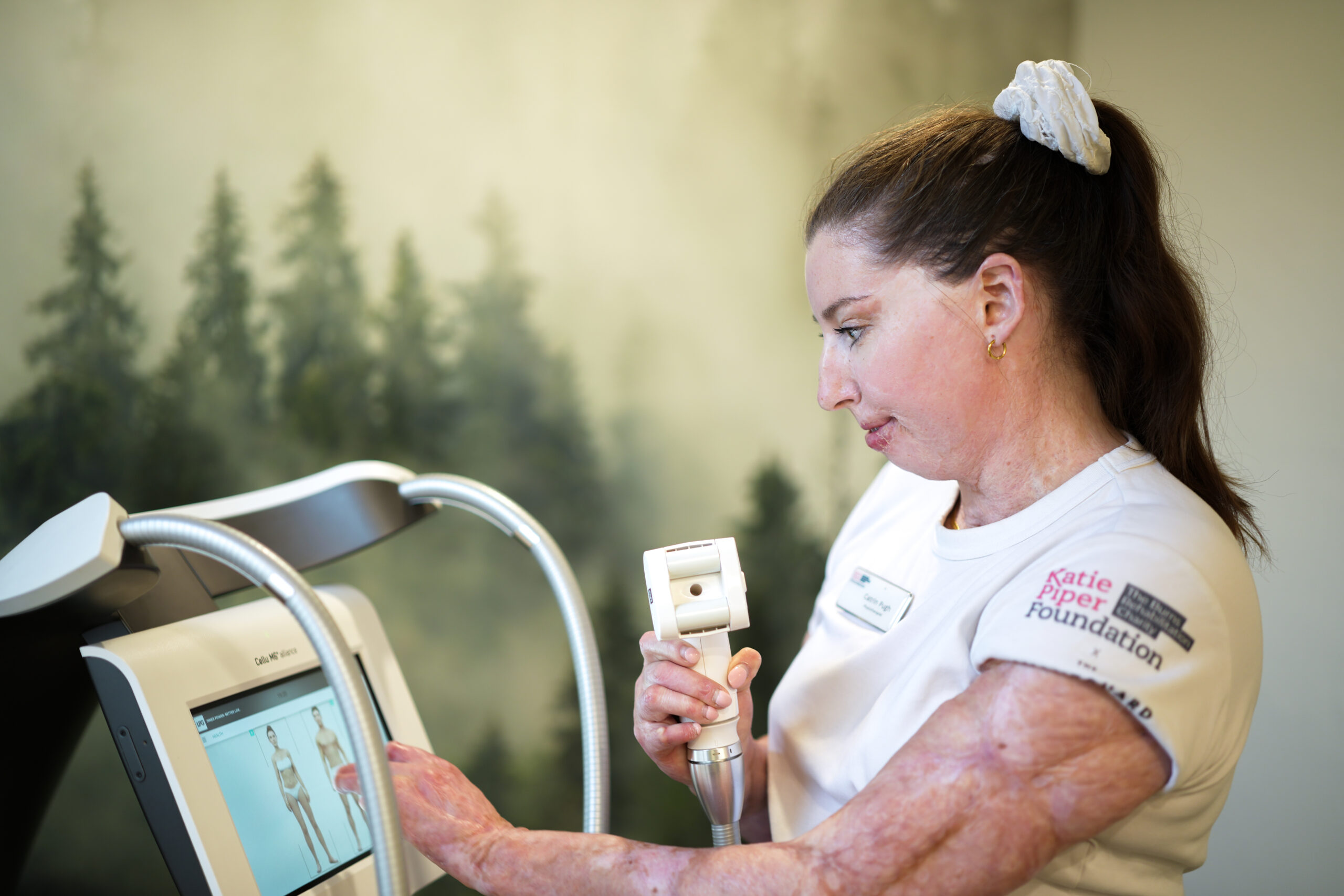
In most cases 2 survivors will stay at Fenny Bank Cottage at Rainford Hall for a 2-5 nights and spend 7 hours a day in therapy and activities tailored to their needs. Throughout the stay the survivors are supported by experienced staff specialising in burns, who stay in the same venue. We use LPG scar massage at Rainford Hall, having pioneered the use of this treatment is scar management since the foundation of the charity.
In this section
Scar Clinics
Scar Clinics
Group therapy and peer support
Group therapy and peer support
The Clinical Team
The Clinical Team
Psychological support
Grounded in trauma-informed principles, the model offers a comprehensive package of therapeutic support that enables emotional healing, builds resilience, and combats the isolation that so often accompanies disfigurement and trauma. Included in face-to-face, remote and group-based interventions, are specialist therapies and interventions which the team are trained in, including:
Eye Movement Desensitisation and Reprocessing (EMDR): A highly effective therapy for processing trauma and alleviating symptoms of PTSD.
Acceptance and Commitment Therapy (ACT): Helping survivors develop psychological flexibility and enhance resilience.
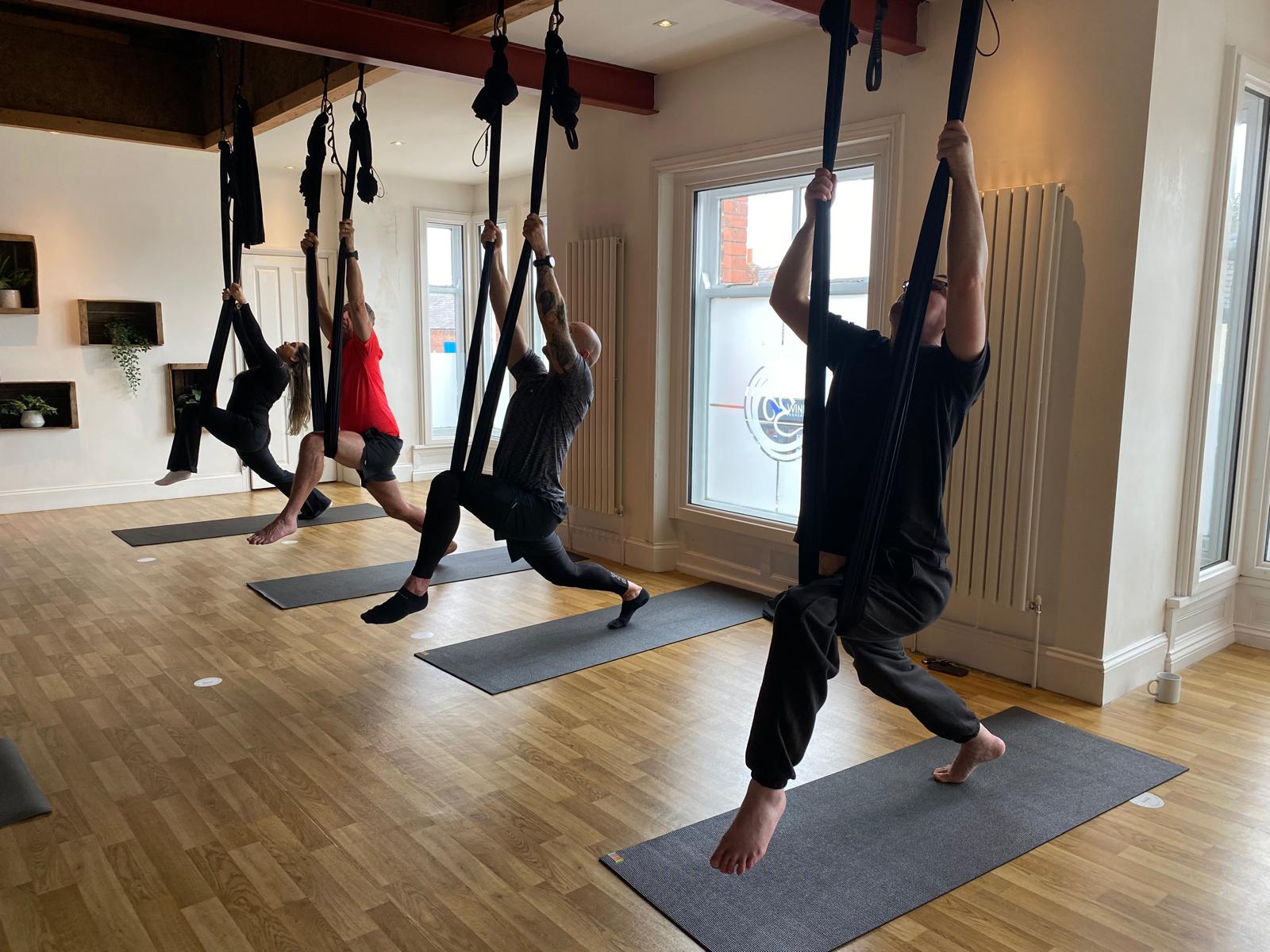
Group Therapy and Resilience Training: Providing opportunities for peer support and the development of coping skills within a safe therapeutic setting, whilst increasing the efficiency of delivery.
Trauma-Informed Therapy: Ensuring all support is delivered with sensitivity to each individual’s trauma history and unique recovery journey.
Development of Sleep Therapy: Acknowledging the vital role of sleep in emotional and physical recovery, we are developing specialised sleep therapy as a key component of our holistic rehabilitation model.
Outcome measurement and analysis
We use 5 different Patient Reported Outcome Measures for measuring different aspects of a patient’s physical and/or psychological state. The evaluation measures list is:
- EQ-5D (a standardised instrument for use as a measure of health outcome)
- POSAS Observer Scale (The Patient and Observer Scar Assessment Scale V20/EN)
- CARe (The Centre for Appearance Research Evaluation)
- Patient KPF Experience Evaluation
The outcomes from the measures inform the service delivery team on individual patient progress and developments to the structure and delivery of rehabilitation services.